Liposuction

Liposuction

What is Liposuction?

Liposuction (suction-assisted lipectomy) is a body contouring procedure designed to remove localized, diet- and exercise-resistant fat and improve overall body shape and proportion.

It is one of the most commonly performed cosmetic procedures and is highly effective for targeted fat reduction, not weight loss.

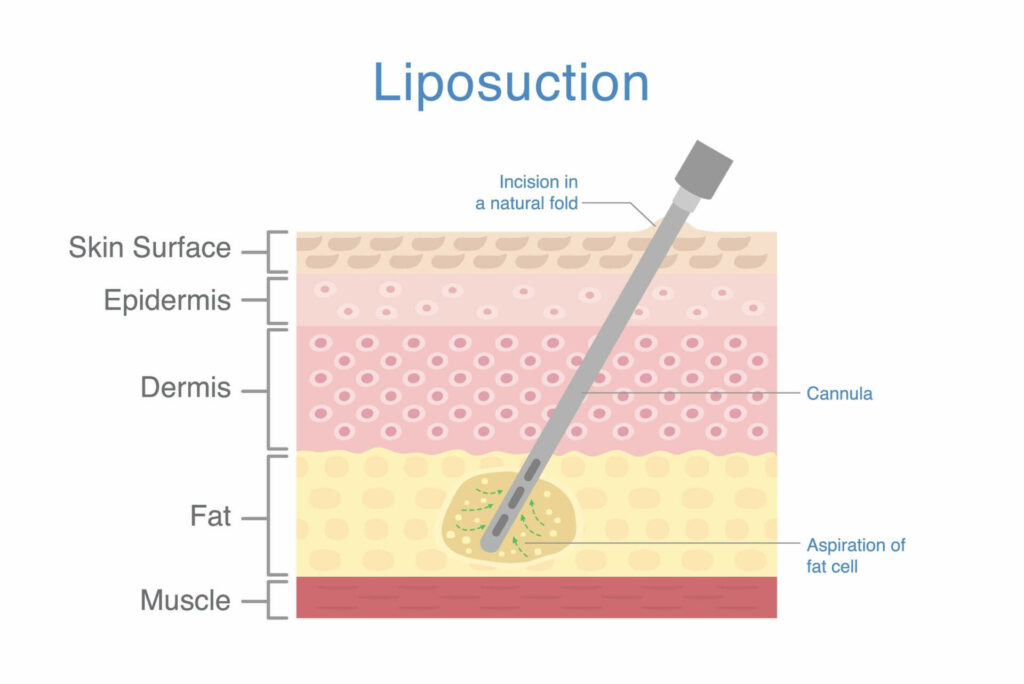
Using a thin cannula and controlled suction, fat is removed from specific areas to create smoother, more defined contours. Liposuction can be performed as a standalone procedure or as part of a more comprehensive body contouring plan.

What Liposuction Treats and What It Does Not

Understanding this distinction is one of the most important steps in choosing the right procedure.

Liposuction is best for:

  • Localized fat deposits resistant to diet and exercise
  • Contour refinement and proportion improvement
  • Patients near their goal weight

Liposuction does NOT:

  • Treat obesity or substitute for a healthy lifestyle
  • Effectively treat cellulite or stretch marks
  • Address loose or sagging skin

If your primary concern is loose or sagging skin, procedures such as a tummy tuck (abdominoplasty), arm lift, or thigh lift may be more appropriate.

How much does liposuction cost?

At Golden State Plastic Surgery, the cost of liposuction ranges from $2,000 – $3,500 per area, not including anesthesia or facility fees. A personalized consultation based on your specific goals and treatment plan will be provided at your consultation. 


Are financing options available? 

Yes. Financing options through CareCredit are available and are happy to assist with the application process. Once you have received your surgery quote, visit CareCredit.com to see which plans you qualify for. 


Who Is a Good Candidate for Liposuction?

You may be a candidate if you:

  • Are in good overall health
  • Are at or near a stable goal weight
  • Have good skin elasticity
  • Do not use nicotine products
  • Have realistic expectations

Liposuction is most effective when used for refinement, not transformation through weight loss.


Common Treatment Areas

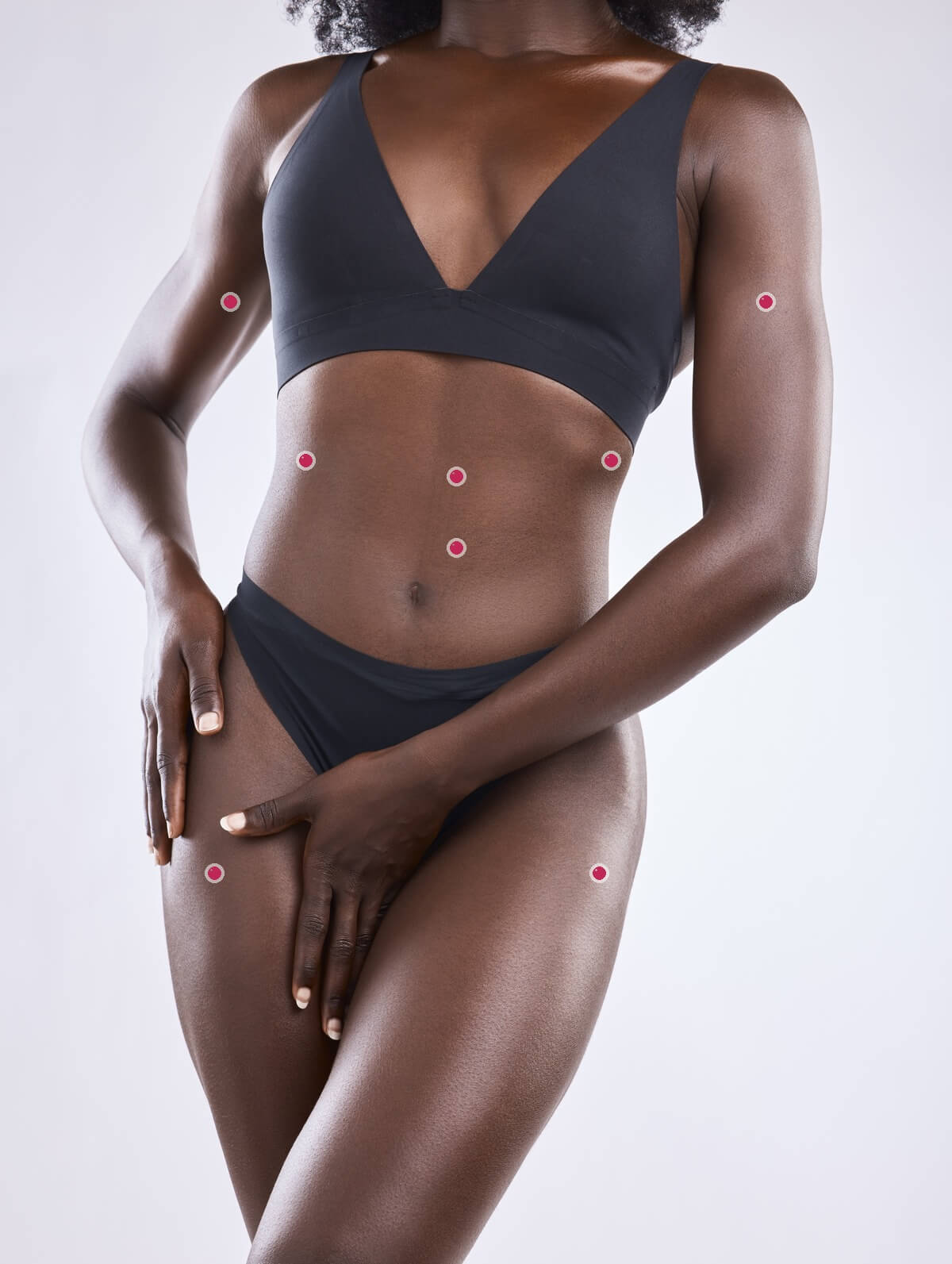
Liposuction is highly versatile and can target multiple areas in a single procedure:


  • Abdomen and flanks (“love handles”)
  • Back and bra line
  • Hips and buttocks
  • Inner and outer thighs
  • Upper arms
  • Chin and neck


Recovery After Liposuction

Recovery after liposuction is generally well tolerated and follows a predictable course, with most patients returning to work within 5-7 days and resuming full activity by around 4-6 weeks. The exact timeline will vary depending on the areas treated and the extent of the procedure. While most swelling will resolve in the first 6-8 weeks, it can take up to 6 months for final results to stabilize. 

A thoughtful recovery process is essential not only for comfort, but also for achieving an optimal contour and aesthetic result. Patients are closely followed through scheduled post-operative visits to monitor healing and guide progression through recovery. Learn more about what to expect during your liposuction recovery


Recovery Timeline


Day 1–3

  • Soreness, swelling, bruising, and possible drainage from incision sites
  • Light walking encouraged, but otherwise limited activity
  • Compression garment in place to control swelling and support contour 


Day 4–7 

  • Discomfort typically peaks around Day 3, then markedly improves
  • Return to light activities and desk work by end of first week 
  • Continue to wear compression garment
  • First post-op visit at 1 week


Week 2–6 

  • Bruising has largely resolved
  • Contour changes noticeable as swelling resolves
  • Continue compression at all times except for showering
  • Second post-op visit around 6 weeks 


Week 6–12 +

  • Return to normal activity, including exercise
  • Compression on an as needed basis
  • Continued refinement of results as tissues fully settle

Risks and Considerations

Liposuction is a safe and effective procedure when performed in appropriately selected patients, but as with any surgery, there are important risks to understand beforehand. 

Potential risks include:

  • Bruising or bleeding
  • Infection
  • Contour irregularities or asymmetry
  • Fluid collection (seroma)
  • Changes in sensation
  • Loose or rippling skin
  • Anesthesia-related risks

Dr. Shih will discuss these in detail at your consultation. 

What to Expect During Your Consultation

During your consultation, Dr. Shih will evaluate the skin quality and fat distribution of the areas of concern, as well as your overall body proportion. He will review your weight history, prior surgeries, and any pregnancies, and engage you in thoughtful discussion to understand your goals and priorities. 

Based on this assessment, he will determine whether liposuction alone is appropriate to achieve your goals, if the answer is no, he will advise whether additional procedures may improve your result. You will receive a personalized treatment plan, have the opportunity to ask questions, and receive a quote with instructions for next steps when you are ready to proceed.

Frequently Asked Questions

Is liposuction a weight loss procedure? 

No. Liposuction is a body contouring procedure that removes fat from specific areas in the body – it will not result in significant weight loss, and is not a treatment for obesity. 


Will liposuction tighten loose skin? 

Liposuction can provide limited skin tightening through natural skin recoil, which is patient-dependent and requires healthy, elastic skin. It does not remove excess skin or address poor skin laxity. Patients with significant skin laxity may benefit more from procedures like a tummy tuck or arm lift


Are liposuction results permanent? 

Yes, liposuction permanently removes fat cells in the targeted treatment areas. However, remaining fat cells can still enlarge with weight gain, so it is important to maintain a healthy and stable weight. 


Can liposuction be combined with other procedures? 

Yes, liposuction can often safely be done in combination with tummy tuck, breast surgery, or as part of a mommy makeover to achieve more comprehensive results. 


What is the difference between tummy tuck and liposuction? 

While both are body contouring surgeries, liposuction removes localized fat deposits in specific areas of the body while tummy tuck (abdominoplasty) removes excess skin and tightens the abdominal muscles. In some cases, both surgeries may be recommended. 


What BMI is acceptable for liposuction? 

Liposuction is best suited for patients who are near their ideal body weight with a BMI under 30. In some cases patients with a BMI up to ~32 may still be candidates depending on their overall health, goals, fat distribution, and skin quality. 


Am I too old for liposuction? 

Age alone is rarely a limiting factor; overall health and medical history are more important in determining candidacy for body contouring surgery. While many patients in their 60s and even 70s can achieve excellent results with liposuction, skin elasticity plays a key role in how smoothly the tissues contour after fat removal. 


How can I prepare for surgery? 

Maintain a healthy routine by staying well-hydrated, well-rested, and consistent with a balanced diet and exercise. Review all medications and supplements with your surgeon, as some may need to be paused prior to surgery. Prior to your surgery date, make sure you have arranged a ride home and prepared your recovery space.


Is liposuction done under general anesthesia? 

Liposuction is typically performed under general anesthesia, especially in cases where there are multiple areas to be treated. Local anesthesia with sedation may be appropriate in select cases where a single small area is being treated, but this is less common.


Related Procedures

Scroll to Top